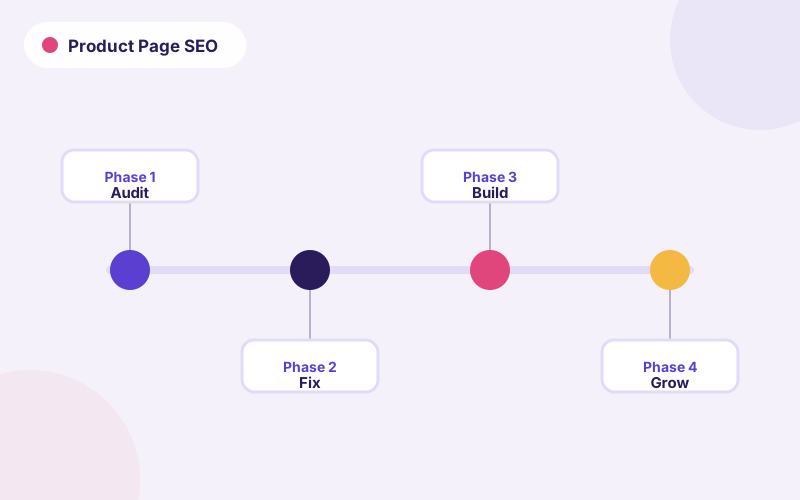
Quick answer
- Product pages target specific, high-intent queries such as model names and attributes.
- Write unique descriptions and include the facts buyers need: specifications, sizing, delivery and returns.
- Use Product structured data so price, availability and ratings can be understood.
- Plan variants and out-of-stock products so signals are not lost.
What product page SEO is trying to achieve
Ecommerce product page SEO aims to win specific searches, such as a brand and model, and to convert the visitors who arrive. These queries are fewer than category queries but have strong buying intent. A well-optimised product page combines relevance signals with the information buyers need to decide, which includes price, stock, delivery, returns and trust cues.
Search engines also use product pages to populate shopping features, so accurate structured data and feed information help visibility beyond the standard results.
Titles, headings and unique descriptions
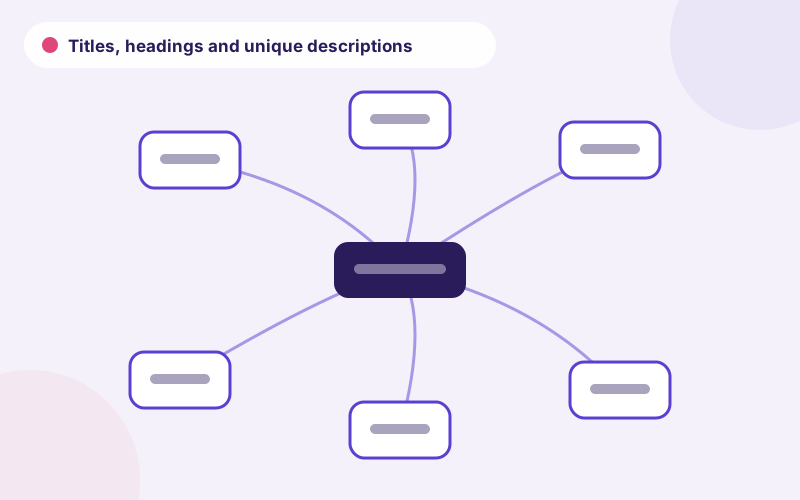
The product title should lead with the product name and key attributes, such as brand, model and colour, written naturally. Product page title tags can add a short differentiator but avoid stuffing. Descriptions should be unique and useful: say what the product is for, how it differs from alternatives and what the specifications mean in practice. Copying manufacturer text that dozens of other sites also use gives search engines no reason to prefer you.
For large catalogues, create templates that combine unique data fields with hand-written text on the best sellers first.
Product images, video and reviews
High-quality images, multiple angles and short video improve conversion and can earn visibility in image search. Use descriptive file names and alt text that describe what is shown, compress images and serve modern formats. Genuine customer reviews add unique content, answer questions and strengthen trust, and when marked up properly they can show star ratings. Never display fabricated or imported reviews that customers did not write.

Product structured data
Product schema describes the item in a way search engines can process.
| Property | Purpose |
|---|---|
| name, image, description | Identify and describe the product |
| brand, sku, gtin | Identify the exact item |
| offers: price, priceCurrency, availability | Show price and stock status |
| aggregateRating and review | Show genuine customer ratings |
Handling variants
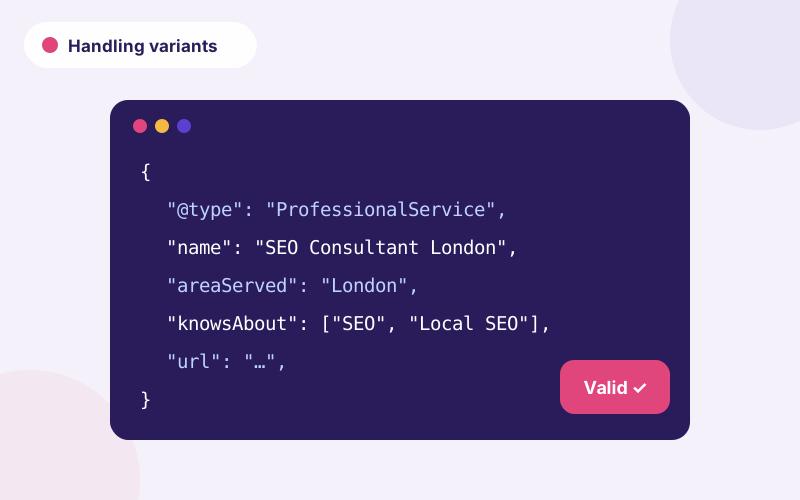
Variants such as size and colour can be handled in several ways. If shoppers search for the variants specifically, separate pages may deserve to exist. Otherwise keep one page with selectable options and one canonical URL, to avoid duplicates. Whichever you choose, make sure each indexable URL has unique content and the canonical tags are consistent, following canonical tags and duplicate URLs.
Out of stock and discontinued products
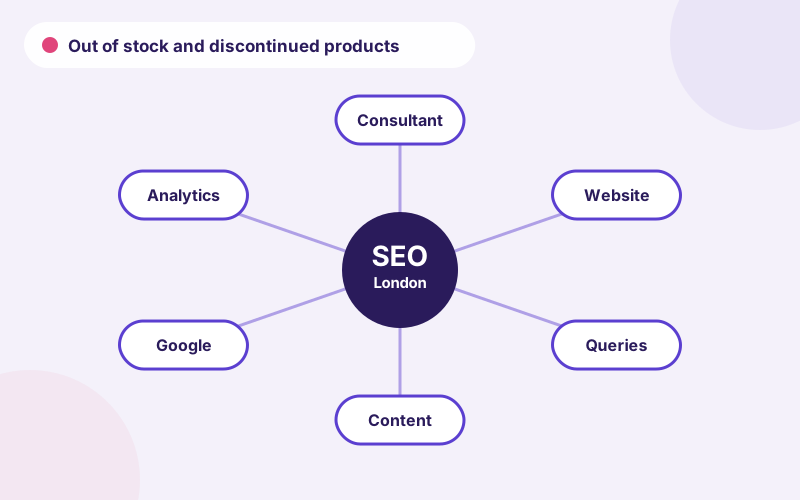
Decide the treatment by situation.
- Temporarily out of stock: keep the page live, mark availability correctly and offer notification or alternatives
- Permanently discontinued with a close replacement: 301 redirect to the replacement
- Discontinued with no replacement: redirect to the relevant category, or return a 404 or 410 if nothing fits
- Seasonal items: keep and refresh the page for the next season
Product page optimisation: descriptions, images and structured data
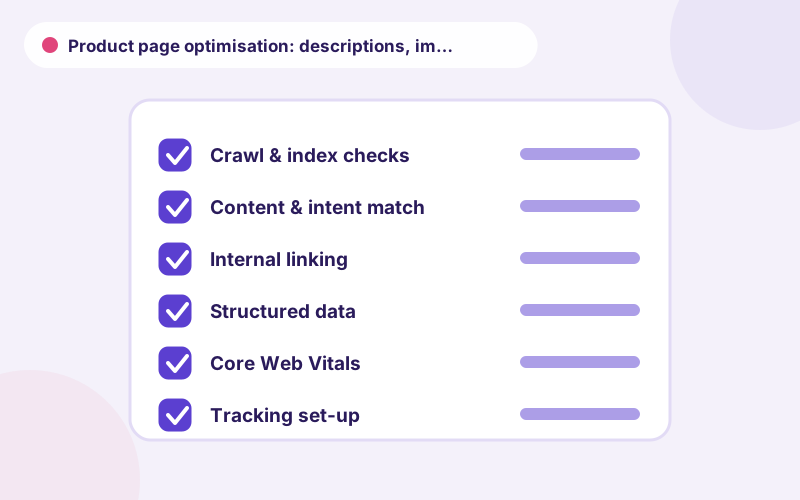
Product page optimisation and ecommerce product optimisation both start with unique content. Product description SEO means writing for buyers first: use, fit, materials, compatibility, care and delivery. Unique product descriptions are costly at scale, so prioritise best sellers and high-margin items and use structured templates elsewhere.
Product image SEO covers file names, alt text, size and format, and it also supports image search. Product page structured data should be generated from the same source as the visible price and stock, so the two never disagree. Product variant SEO and out of stock product SEO decisions, discussed above, should be written into your platform rules so staff do not improvise.
Common product page mistakes
Frequent mistakes are copied supplier text, missing specifications, images without alt text, price and stock markup that does not match the page, and variant URLs that create duplicates. Another is removing out-of-stock pages that still have links and traffic. Use templates that capture the facts buyers need, check structured data against visible content, and set clear rules for variants and unavailable items.
It also helps to add helpful extras: size guides, comparison tables and answers to common questions, all of which can improve conversion as well as search visibility.
A worked example of improving one product page
Take a pair of walking boots with a supplier description and three images. We would rewrite the description around use, fit and care, add a size guide and a short comparison with a similar model, include a video, add genuine reviews and validate Product markup for price, availability and ratings. We would also link to the relevant category and a buying guide. These changes help shoppers decide and give search engines clearer information, and they can be repeated across similar products using a template.
Linking, speed and measurement
Link products to their categories, to related items and to buying guides, and ensure they sit within a few clicks of the homepage. Keep pages fast, since heavy images and scripts hurt conversion, as in our Core Web Vitals guide. Measure impressions, clicks and revenue by product group. Category pages are covered in ecommerce category page SEO, and full support is available through our ecommerce SEO consultant service and SEO consultant London.
Frequently asked questions
What makes a good product page for SEO?
Unique descriptions, accurate titles, quality images, clear price and availability, genuine reviews, structured data and fast loading.
Should I use manufacturer descriptions?
It is better to write unique ones, since copied text offers no advantage when many sites use it.
How should I handle product variants?
Use one page with selectable options unless people search for variants separately, in which case separate pages with unique content can be justified.
What should I do with out-of-stock products?
Keep temporarily unavailable pages live with correct availability, and redirect permanently discontinued items to a close replacement or category.
Do reviews help product SEO?
Genuine reviews add unique content and trust, and can earn rating rich results when marked up correctly.
Talk to an SEO consultant
Questions about this topic or your own site? Send a few details and you will get a clear, practical reply.